
by Susan Stamper •
Content Marketing Manager, ChiroHealthUSA •
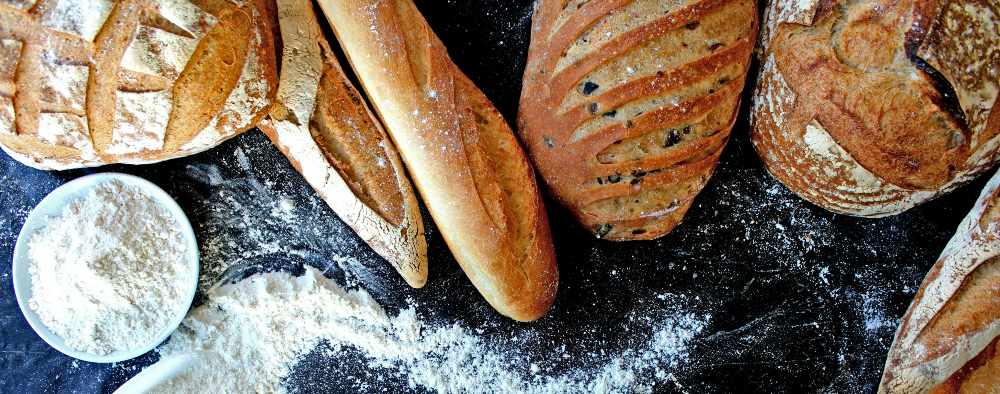
Ah, the sourdough crumb. That glorious interior that looks like it could double as a NASA model of deep space. Big airy pockets. A crackly crust that sings when you slice it. The kind of crunch that makes ASMR fans pause mid-scroll. 😌
If you have ever dipped a toe into sourdough baking, you already know it is not a hobby. It is a journey. One that starts with a humble starter and quickly turns into late-night fermentation math, hydration ratios scribbled on sticky notes, and a suspicious interest in milling your own flour. There is a reason people say sourdough finds you when you are ready.
But sourdough’s popularity is not just about crust aesthetics or the romance of baking something slowly in a fast world. This bread has been quietly flexing its health benefits for centuries, long before social media made it photogenic. Compared to standard store-bought loaves or even homemade yeast bread (faster, easier, and still delightful, chef’s kiss 👨🍳), sourdough brings something extra to the table.
So let’s roll up our sleeves, dust off the science, and see what makes sourdough more than just bread. Because sometimes, what is happening behind the scenes matters just as much as what is happening in the oven.
What Exactly Is Sourdough, Anyway?
At its core, sourdough is bread made through natural fermentation. Instead of commercial yeast doing all the heavy lifting, sourdough relies on wild yeast and lactic acid bacteria that naturally exist in flour and the environment.
Think of sourdough starter as a tiny ecosystem living on your countertop. It breathes, feeds, grows, and ferments. And during that fermentation process, some pretty remarkable things happen.
Commercial yeast bread is more like a microwave meal. Fast. Predictable. Efficient. Sourdough, on the other hand, is a slow-cooked stew. Given time, those microorganisms get to work transforming the dough in ways that impact not just flavor, but digestion and nutrition too.
Fermentation: Where the Magic Happens
Fermentation is the heart of sourdough’s benefits. During this slow process:
- Natural bacteria break down complex carbohydrates
- Organic acids form, lowering the bread’s pH
- Proteins and starches become easier to digest
- Certain compounds that interfere with nutrient absorption are reduced
This is not culinary folklore. It is microbiology at work. 🧫
Research consistently shows that sourdough fermentation alters the structure of bread in ways that can make it gentler on the digestive system compared to conventional bread (Gobbetti et al., 2023; Poutanen et al., 2021).
Sourdough and Digestive Comfort
Ever heard someone say, “I can eat sourdough, but regular bread wrecks me”? That is not your imagination playing tricks.
Lower FODMAP Potential
Fermentation reduces certain fermentable carbohydrates, often referred to as FODMAPs. These compounds can cause bloating, gas, and discomfort for some people. Sourdough fermentation can partially break these down, making the bread easier to tolerate for sensitive guts (Laatikainen et al., 2021).
Protein Breakdown and Gluten Modification
No, sourdough is not gluten-free. Let’s get that out of the way. But the fermentation process does begin breaking down gluten proteins, which may explain why some individuals report better tolerance.
Think of it like pre-chewing your food. Not glamorous, but effective.
Gut Microbes Love a Good Sourdough Story
Your gut is home to trillions of microbes, and they are very opinionated roommates. They care deeply about what you feed them.
Sourdough fermentation increases the availability of bioactive compounds and organic acids that can support a healthier gut environment. Some studies suggest that sourdough bread may positively influence gut microbiota composition compared to refined commercial bread (De Angelis et al., 2021).
In simpler terms: sourdough does not just pass through your digestive system. It interacts with it.
Blood Sugar Balance: A Smoother Ride
White bread has a reputation for spiking blood sugar faster than a toddler on birthday cake. 🎂
Sourdough tells a different story.
Thanks to organic acids produced during fermentation, sourdough bread tends to have a lower glycemic response compared to conventional bread. This means a slower rise in blood sugar levels and potentially better insulin response (Poutanen et al., 2021).
For patients trying to manage energy crashes, cravings, or blood sugar concerns, that smoother metabolic ride matters.
Minerals: Making Them More Available
Grains contain phytic acid, a compound that binds to minerals like iron, zinc, and magnesium, making them harder for the body to absorb.
Sourdough fermentation activates enzymes called phytases, which break down phytic acid. The result? Better mineral bioavailability (Gobbetti et al., 2023).
Translation: your body can actually use more of the nutrients already present in the grain.
Flavor Is Not Just a Bonus
That tangy, complex flavor sourdough fans love is not just for bragging rights.
Organic acids, esters, and alcohols created during fermentation give sourdough its signature taste. These compounds also contribute to longer shelf life without preservatives. Historically, sourdough was a natural solution to keeping bread fresh before modern additives existed (CORDIS, 2024).
Sometimes old-school methods really do know best.
Whole Grains & Sourdough: A Power Couple
When sourdough is made with whole grains, things get even more interesting.
Whole grains provide fiber, antioxidants, and micronutrients. Fermentation makes these components more accessible and easier to digest. Studies show that whole-grain sourdough may offer greater anti-inflammatory and metabolic benefits than refined bread options (Frontiers in Nutrition, 2023).
This is where sourdough stops being just “better bread” and starts acting like a functional food.
Is All Sourdough Created Equal?
Short answer: absolutely not.
Many store-bought “sourdough” loaves are flavored to taste sour but rely heavily on commercial yeast. True sourdough:
- Uses a live starter
- Ferments for several hours (or longer)
- Lists minimal ingredients
If the ingredient list reads like a chemistry exam, it probably missed the point.
Sourdough and Lifestyle: Why It Fits Modern Wellness
In a world obsessed with speed, sourdough asks us to slow down. That alone might be part of its appeal.
From a lifestyle perspective, sourdough aligns with:
- Mindful eating
- Traditional food preparation
- Gut-focused nutrition
- Reduced processing
It is not about being perfect. It is about choosing foods that work with your body instead of against it.
A Friendly Reality Check
Sourdough is not a miracle food. It will not fix everything. But it is a thoughtful upgrade for many people who enjoy bread and want something gentler, more nourishing, and deeply satisfying.
If your relationship with bread has been complicated, sourdough might be the friend who helps you ease back into trust. 🥖❤️
Final Crumb Thoughts
Sourdough’s charm goes far beyond Instagram-worthy loaves. Its slow fermentation process supports digestion, blood sugar balance, mineral absorption, and gut health in ways modern bread often does not.
So whether you are baking it at home, supporting a local bakery, or just savoring a slice with butter melting into those glorious air pockets, sourdough reminds us that good things take time.
And sometimes, the best health upgrades smell like fresh bread cooling on the counter.
Sources
De Angelis, M., et al. (2021). Sourdough fermentation and gut microbiota modulation. Microbiology Spectrum, 9(1). https://doi.org/10.1128/spectrum.00494-21
Frontiers in Nutrition. (2023). Health effects of sourdough bread consumption. Frontiers in Nutrition, 10, 1230043. https://www.frontiersin.org/articles/10.3389/fnut.2023.1230043
Gobbetti, M., et al. (2023). Sourdough fermentation: A tool to improve bread quality and nutritional value. Foods, 12(4). https://pmc.ncbi.nlm.nih.gov/articles/PMC10103004/
Laatikainen, R., et al. (2021). Low-FODMAP sourdough bread and gastrointestinal symptoms. Food Research International, 140, 110033. https://pmc.ncbi.nlm.nih.gov/articles/PMC8306212/
Poutanen, K., et al. (2021). Glycemic response of sourdough bread. Journal of Functional Foods, 78, 104375. https://www.sciencedirect.com/science/article/abs/pii/S2214799321000291
CORDIS. (2024). The virtues of sourdough bread. European Commission. https://cordis.europa.eu/article/id/462113-the-virtues-of-sourdough-bread
Turkish Journal of Agriculture and Food Science. (2022). Nutritional properties of sourdough fermentation. https://agrifoodscience.com/index.php/TURJAF/article/view/4860/2563